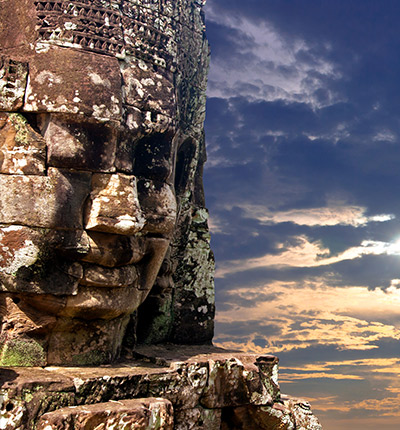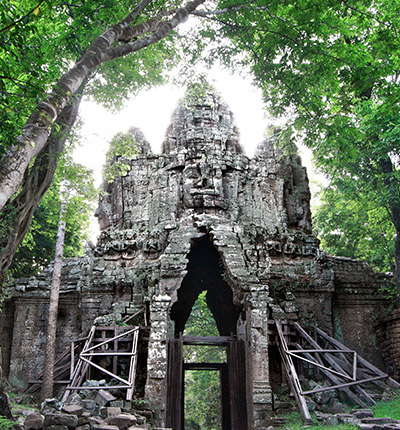
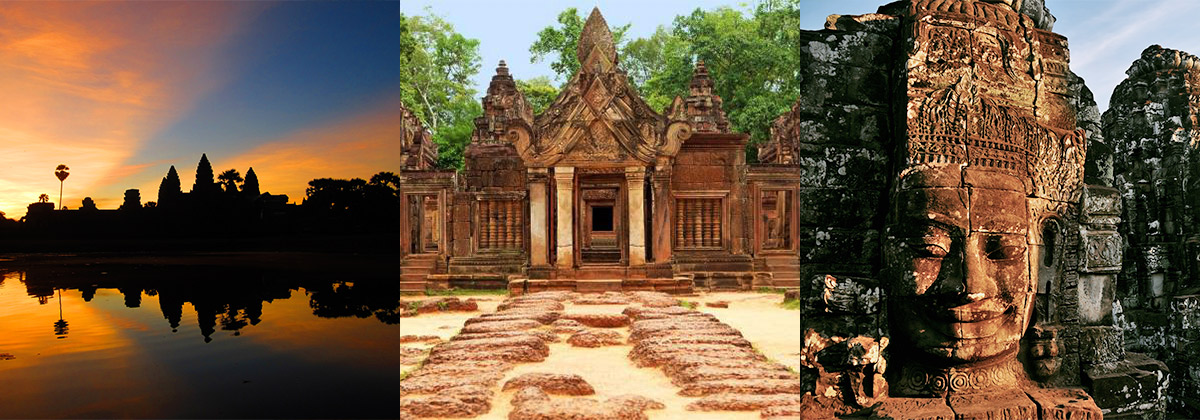
The temple is worth the extra effort to experience the elaborate architecture, and fine carvings, although theft has mutilated many of the temple's treasures.
Banteay Samre is located 400 meters (1,312 miles) east of the East Baray. It can be accessed by enter and leave Banteay Samre from the east. It was built in the middle of the 12th century by king Suryavarman II (reigned 1113-1150) and dedicated to Hindu (dedicated to vishnu) with Art Style of Angkor Wat.
Banteay Samre is one of the most complete complexes at Angkor due to restoration using the method of anastylosis. Unfortunately, the absence of maintenance over the past 20 years is evident.
The name Samre refers to an ethnic group of mountain people, who inhabited the regions at the base of Phnom Kulen and were probably related to the Khmers. No inscription has been found for this temple, but the style of most of the architecture is of the classic art of the middle period similar to Angkor Wat. The monument most likely dates from the same period, or, perhaps, slightly later, although there are additions attributed to the Bayon style.
The proportions of Banteay Samre are plended. A unique feature is an interior moat with laterite paving, which when filled with water must have given an ethereal atmosphere to the temple. All of the buildings around the moat are on a raised base with horizontal mouldings, decoreated in some areas with figures framed by lotus buds.
Large, comparatively flat temple displaying distinctively Angkor Wat-style architecture and artistry. The temple underwent extensive restoration this century by archaeologists using the anastylosis method. Banteay Samre was constructed around the same time as Angkor Wat. The style of the towers and balustrades bear strong resemblance to the towers of Angkor Wat and even more so to Khmer temple of Phimai in Thailand. Many of the carvings are in excellent condition. Banteay Samre is a bit off the Grand Circuit, near the southeast corner of the East Baray. The trip there is a nice little 3km road excursion through villages and paddies. Combine a visit to Banteay Srey with a stop at Banteay Samre on the way back.

Experience the beauty of one of Cambodia’s most prized sites during a 5-hour zipline tour through the ancient Angkor Archaeological Park. Soar through jungle treetops over the ocean of trees and ...

Head out into the city streets and back alleys of Siem Reap on this private tour with an expert local guide. Learn about the area's rich history, talk with residents and gain insight into one of ...

Sacred to the Cambodian people Phnom Kulen is an archeological site and national park which gives you the chance to experience nature and culture ...
Trekking & Camping Tour in Cambodia has become possible after the Khmer Rouge has integrated all their forces into government forces in 1998. Then demining projects have been implemented around ...

Boeng Peariang bird sanctuary is about 12km from central Siem Reap city, located in Chreav district, Siem Reap Province, Cambodia. Boeng Peariang become one of the most important birds in Tonle ...
Head off-the-beaten-track and visit the floating village of Kompong Khleang on this 4-hour small-group tour from Siem Reap, including hotel pick-up. Get an insight into rural life as you visit the ...

Siem Reap City Centre, Oknha Oum Chhay Street, Siem Reap, Cambodia
Breakfast Included
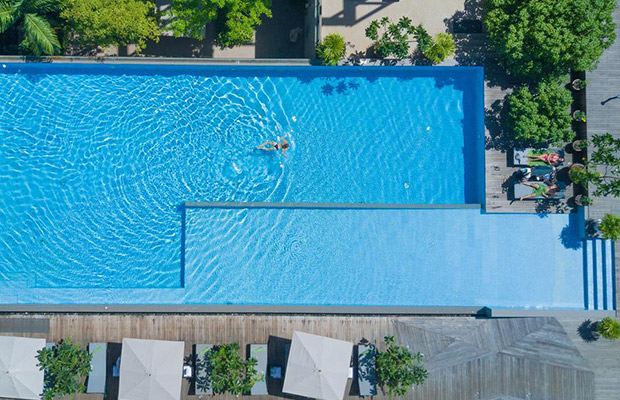
Hotel Somadevi Angkor Boutique and Resort offers modern and comfortable accommodation in the heart of Siem Reap. It features an outdoor swimming pool and guests can enjoy meals at the in-house restaurant. Free WiFi is available in public areas.
It is 750 m to the vibrant Pub Street and Old Market, while Angkor Night Market is 800 m away. Angkor Wat is a 6.1 km drive from Hotel Somadevi Angkor Boutique and Resort. The nearest airport, Siem Reap International Airport is 8.5 km from the property. The property offers complimentary two-way transfers from the airport or bus station.
Elegantly furnished, air-conditioned rooms come with parquet flooring, ironing facilities, in-room safe and a flat-screen TV with cable channels. A minibar, refrigerator and electric kettle are also included. The en suite bathroom is equipped with hairdryer, bathrobes and free toiletries.
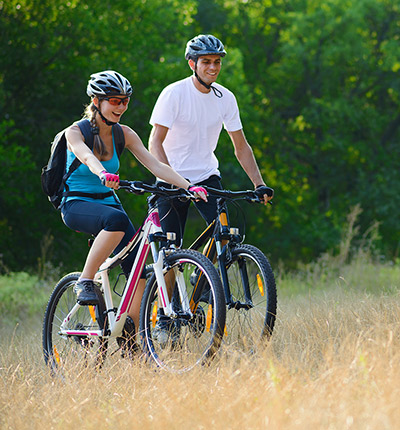
Guests can approach the 24-hour front desk for currency exchange, tour arrangements ticketing, concierge and laundry services. At Hotel Somadevi Angkor Boutique and Resort, guests may rent a bicycle, car or Tuk Tuk to explore the area. Alternatively, guests can indulge in spa treatments at Aloe Spa
Housing a restaurant and bar, the property serves a spread of local cuisine, Asian and Western dishes. Special diet meals can also be prepared upon request.
This is our guests' favourite part of Siem Reap, according to independent reviews.
This property also has one of the best-rated locations in Siem Reap! Guests are happier about it compared to other properties in the area.
Couples particularly like the location — they rated it 9.2 for a two-person trip.
We speak your language!

National road No. 6 House No.757, Group 7, Salakanseng Village, Siem Reap, Cambodia
Breakfast Included
Featuring free WiFi, a restaurant and an outdoor pool, Anusa Residence & Spa offers accommodation in Siem Reap, 1.4 km from Pub Street. Guests can enjoy the on-site bar. Free private parking is available on site.
Angkor Wat is 5 km from Anusa Residence & Spa, while Angkor National Museum is 700 m away. Siem Reap - Angkor International Airport is 6 km from the property.
Every room at this hotel is air conditioned and is fitted with a flat-screen TV and an alectric kettle. Some rooms have a seating area to relax in after a busy day. A terrace or balcony are featured in certain rooms. All rooms include a private bathroom. For your comfort, you will find bathrobes and slippers.
Bike hire is available at this hotel and the area is popular for horse riding. Union Pay is accepted at the property.
Couples particularly like the location — they rated it 8.3 for a two-person trip.
This property is also rated for the best value in Siem Reap! Guests are getting more for their money when compared to other properties in this city.
We speak your language!
Svay Dangkum Village, Siem Reap, Siem Reap Province Cambodia, Siem Reap, Cambodia
Best Value!
One of our bestsellers in Siem Reap!
Featuring free WiFi access in all areas, Le Chanthou Boutique offers accommodation away from the hustle and bustle of Siem Reap. It has an outdoor swimming pool and guests can enjoy meals at the in-house restaurant or have a drink at the bar.
It is 1.8 km to the vibrant Pub Street and Old Market. Cambodian Cultural Village is 3.3 km away, while Angkor Wat is 7.4 km from the property. Siem Reap - Angkor International Airport is 7.5 km away. The property offers a complimentary one-way transfer to the airport or bus station.
Air-conditioned rooms come with a TV. Certain rooms include views of the pool or garden. The rooms are equipped with a private bathroom.
Guests can approach the 24-hour front desk for tour arrangements, currency exchange and ticketing services. Free use of bicycle is offered, while bike and car rentals are available upon request.
The in-house restaurant serves up a range of authentic Khmer cuisine and Western delights.
Couples particularly like the location — they rated it 8.3 for a two-person trip.
This property is also rated for the best value in Siem Reap! Guests are getting more for their money when compared to other properties in this city.
We speak your language!
7 Makara St, Wat Bo Village, Sala Komroek Commune, Siem Reap, Cambodia
Best Value!
Nestled within private gardens on 7 Makara Street in Wat Bo Village, Residence Indochine D'Angkor offers accommodation away from the hustle and bustle of Siem Reap. Guests enjoy access to the outdoor swimming pool that features a pool bar. There is an in-house restaurant and free WiFi is offered throughout the property.
Residence Indochine D'Angkor is a 5-minute drive from Phsar Chas (Old Market), Angkor Night Market and Pub Street. Central Market, Angkor National Museum and Royal Palace are a 10-minute drive from the hotel. It takes 15 minutes to drive to Siem Reap International Airport and the UNESCO World Heritage-listed Angkor Wat while the Tonle Sap Ferry Dock is 11 km away. The property offers complimentary two-way airport transfers. Daily shuttle services to Pub Street are also available.
Fitted with a balcony, rooms offer pool and garden views. Rooms feature a flat-screen TV with cable channels, an electric kettle with tea/coffee maker and a wardrobe. Bathrobes, slippers and a safety deposit box are included. The private bathroom comes with hot and cold shower facilities, toothbrushes and a hairdryer. Daily housekeeping services are provided.
Guests can go for a massage, use the business centre, or head to the 24-hour front desk for assistance with luggage storage. The property also offers bicycle rental for guests who wish to explore around the area at an additional charge.
The rooftop restaurant serves Khmer and Western delights, while the baroffers up cocktails, refreshing drinks and light snacks. Room service is provided.
Couples particularly like the location — they rated it 8.0 for a two-person trip.
This property is also rated for the best value in Siem Reap! Guests are getting more for their money when compared to other properties in this city.
We speak your language!
Phum Treang Village, Siem Reap, Cambodia
Best for Traveller!
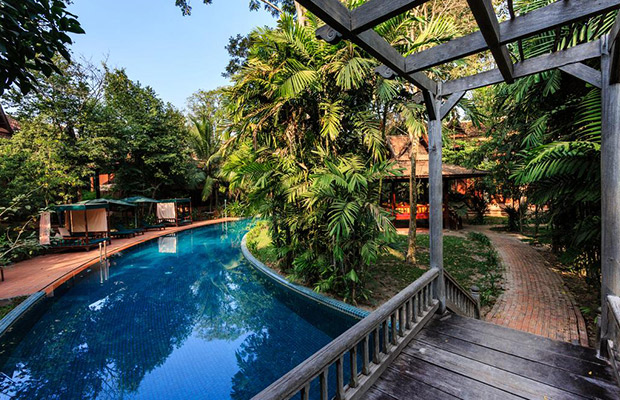
Nestled within private gardens and located just before the entrance of the Angkor Wat Temple complex, Angkor Village Resort & Spa offers accommodation away from the hustle and bustle of Siem Reap. A member of the Small Luxury Hotels of the World, it boasts a 250 m outdoor pool that meanders through lovely landscaped gardens and guests enjoy use of the resort's daybeds. The property offers two in-house dining options and guests can have a drink at the bar.
Angkor Village Resort & Spa is about 5 km from Siem Reap International Airport. The property offers airport pickup services at an additional charge.
Angkor Village’s cottage rooms feature four-poster beds and private balconies. Each room has a flat-screen cable TV and tea/coffee making facilities. Spacious bathrooms are fitted with a hot tub and organic toiletries. Guests are also welcomed with a tropical fruit platter.
Guests can approach the 24-hour front desk for currency exchange, tour arrangements and concierge services. The full-service Spa Village includes saunas, hot tubs and an air-conditioned fitness room. Guests can browse items in the souvenir shop, or watch cultural performances at the on-site outdoor theatre.
The two in-house restaurants - Aaraama and Le Jardin offer a wide range of cuisines, including local, Thai and French choices. Private picnics, afternoon tea, and local cooking classes may also be arranged.
This is our guests' favourite part of Siem Reap, according to independent reviews.
Couples particularly like the location — they rated it 8.7 for a two-person trip.
We speak your language!
Steung Thmei Road, Steung Thmei Village, Svay Dangkum Commune, Siem Reap, Cambodia
Best Deal!
Situated in the downtown of Siem Reap, Chhay Long Angkor Boutique Hotel Siem Reap offers accommodations just 400 m from the vibrant Pub Street and the Old Market. It features an outdoor swimming pool and guests can enjoy meals at the in-house restaurant or have a drink at the bar. Free WiFi is available throughout the property.
The UNESCO World Heritage Site of Angkor Wat is 8 km from Chhay Long Angkor Boutique Hotel, while Angkor Night Market is just 290 m from the property. The nearest airport is Siem Reap - Angkor International Airport, 8 km from Chhay Long Angkor Boutique Hotel. The property offers complimentary pickup services from the airport.
Each room at this hotel is air-conditioned and has a flat-screen TV with cable channels, a safety deposit box and an electric kettle. Some units feature a seating area for your convenience. The en-suite bathroom is fitted with shower facilities, hairdryer and free toiletries. For your comfort, slippers and bathrobes are provided. All rooms are soundproofing.
Chhay Long Angkor Boutique Hotel operates a 24-hour front desk where staff can assist guests with luggage storage, bicycle/car rentals, tour arrangements, ticketing and concierge services. Massage services are also available upon request at additional charges.
This is our guests' favourite part of Siem Reap, according to independent reviews.
This property also has one of the best-rated locations in Siem Reap! Guests are happier about it compared to other properties in the area.
Couples particularly like the location — they rated it 9.5 for a two-person trip.
This property is also rated for the best value in Siem Reap! Guests are getting more for their money when compared to other properties in this city.
We speak your language!
Being the locals, we know the true value of our land. We always listen and arrange everything as your desire. Please kindly send us whatever about your trip,we will send you best offers quickly.






Guest Name: Mr. José Monteiro
Country: Brazil
City: Rio de Janeiro
N.of Person: Hotel lotus blanc resort angkor pax
Travel date: 2026-11-28
Booked: Angkor Stunning Hot Air Balloon
Tour Style: Tour Activities
Duration: 30 Mins